
You notice your home remodeling website has dropped in Google search results. Organic traffic is down, leads are slowing, and you wonder if something’s wrong with your backlink profile. Maybe you’ve heard about toxic links and Google’s disavow tool, and you’re tempted to take action immediately.
Before you do anything drastic, let me explain why disavowing toxic links is rarely the right move in 2026 and what we recommend instead.
What Are Toxic Links?
Toxic links are backlinks pointing to your site from low-quality, spammy websites that could potentially signal manipulation to search engines. These harmful links typically come from link farms, sites with excessive outbound links, penalized domains, or pages completely unrelated to your business.
Common characteristics of bad links include:
- Links from sites with thin, irrelevant, or auto-generated content
- Backlinks purchased through link schemes or private blog networks
- Links from adult, gambling, or pharma spam sites
- Connections from domains with no real traffic or authority
The concern is that Google might view these spammy links as attempts to artificially inflate your rankings rather than genuine endorsements of your work.
However, here’s what most business owners don’t realize: Google’s algorithm has evolved dramatically since the early days of link penalties. Today’s systems—including SpamBrain and machine-learning filters—automatically ignore most low quality links without any action required from you. The search engine has become remarkably effective at distinguishing legitimate links from junk.
The Basic Process of Disavowing Toxic Links
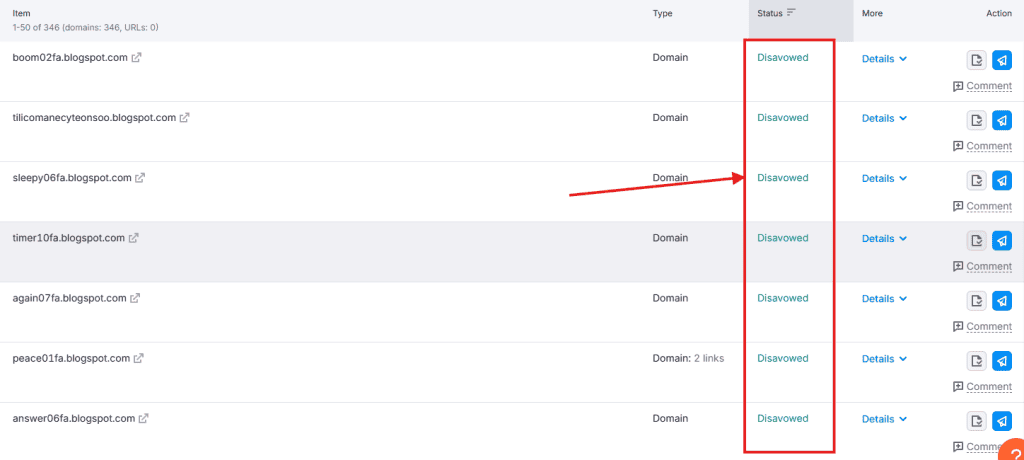
While we generally advise against disavowal for most clients, understanding the process helps you make informed decisions. This is a technical procedure that carries real risks, so most businesses shouldn’t attempt it without professional guidance.
Identifying Suspicious Links
Start by logging into Google Search Console and navigating to the “Links” section. Here you’ll find your top linking sites and can export a list of all domains and URLs pointing to your site using the export button.
Next, analyze these linking sites using professional SEO tools like Ahrefs or SEMrush. These platforms calculate a toxicity score based on factors like spam density, referrer penalties, and domain authority. Red flags include sudden spikes in backlinks from unrelated sites, links from foreign-language spam pages, or connections from known link farms.
Be careful, though—these tools often overflag links. Studies show that 70% or more of links labeled “toxic” are actually harmless or even beneficial.
Manual Outreach Attempts
Before telling Google to ignore any links, you should attempt manual removal. Contact website owners directly through their contact forms or WHOIS information to request link removal.
Craft professional, polite removal requests explaining that you’ve identified links to your site that you’d like removed. Document every outreach effort—screenshots, emails, responses—as this demonstrates good faith if you eventually need to submit a disavow file.
Follow up two or three times over several weeks. Success rates typically range from 20-50%, but the effort matters.
Creating and Submitting the Disavow File
If outreach fails, you’ll compile remaining harmful links into a simple txt file. The format is straightforward: one entry per line, with “domain:” prefix for entire domains (e.g., domain:spamdomain.com) or specific URLs for individual pages.
Upload this text file through Google’s disavow tool in Search Console. Select your domain properties or url prefix property, submit the file, and wait.
Submitting a new file overwrites your previous one. If you accidentally disavow legitimate links, you could negatively affect your site’s rankings without realizing the cause.
Essential Tips for Safe Disavowal
If you’re determined to proceed with disavowing toxic backlinks, follow these guidelines:
- Never disavow links blindly based solely on tool scores—always verify manually
- Double check that links are genuinely harmful, not just from unfamiliar sources
- Attempt manual outreach before resorting to the disavow links tool
- Only disavow at the domain level when you’re completely confident the entire domain is toxic
- Keep detailed records of all specific links disavowed, including your reasoning
- Maintain backups of your disavow list so you can reference previously disavowed links
Remember: removing links from consideration cannot be undone without careful file management, and mistakes here can result in lower rankings.
Why We No Longer Recommend Disavowal for Most Clients
Here’s the reality we’ve observed over years of managing SEO for home remodelers and contractors: Google’s algorithm improvements since Penguin 4.0 in 2016 have fundamentally changed the game.
Today’s systems automatically filter out spammy websites and low quality links without human intervention. Google representatives like John Mueller have stated repeatedly that the vast majority of sites no longer need disavowal because their systems ignore spam autonomously.
The greater risk now lies in unnecessary action. We’ve seen cases where clients—or their previous agencies—disavowed links that were actually helping their keyword rankings. Accidentally removing a contextually relevant backlink from a legitimate industry directory or local publication can drop organic traffic by 10-20%.
The smarter approach isn’t reactive cleanup—it’s proactive monitoring and quality link earning.
Rare Cases When Disavowal Is Still Warranted
We won’t pretend disavowal never makes sense. In specific circumstances, it remains a valid tool:
- When Google issues a manual action specifically citing unnatural links—you’ll receive a notification in Search Console
- When you can clearly identify large scale toxic link campaigns from a previous SEO agency that engaged in buying links or other black-hat tactics
- When you’re experiencing obvious negative SEO attacks where competitors have flooded your profile with junk links, which is thankfully very rare
- If your site has been hacked in the past and you are cleaning up from malicious link injection
In these exceptional cases, we conduct thorough backlink audits, document everything, and proceed with surgical precision—disavowing only what’s clearly and specifically harmful.
Our Professional Approach to Backlink Management

At Electromagnetic Web, we focus on building rather than removing. Our approach centers on earning high-quality, natural backlinks through valuable content and genuine outreach to other sites in the home improvement industry.
We conduct regular monitoring of client backlink profiles—not to panic over every unfamiliar domain, but to understand trends and ensure steady progress.
This proactive strategy aligns with webmaster guidelines and how search engines actually evaluate sites today. Rather than chasing algorithm workarounds, we build sustainable online presence that grows over time.
Partner With Electromagnetic Web for Smarter SEO
If you’re concerned about your backlink profile or wondering whether toxic links are affecting your site, we’re here to help. Our team can conduct a comprehensive backlink audit that goes beyond automated scores—we look at context, relevance, and actual risk.
More importantly, we’ll develop a long-term strategy focused on what actually moves the needle: building authority through quality links, optimizing your web presence, and positioning your remodeling business for sustainable growth in Google search results.
Contact Electromagnetic Web today to schedule a consultation. Let’s build your online presence the right way.